
Understanding the psychological impacts of casino environments on players' behavior

Understanding the psychological impacts of casino environments on players' behavior
The allure of casino design
The design of casinos is meticulously crafted to entice players into spending more time and money within their environments. Elements such as bright lights, vibrant colors, and immersive sounds create an atmosphere that stimulates excitement. This sensory overload serves to distract players from the passage of time and money spent, making them more inclined to continue gambling. For instance, the use of music tempo is often synchronized with the pace of play, enhancing the overall gaming experience. Many players also turn to sites like Slotshopper for a diverse selection of games that further amplify this thrill.
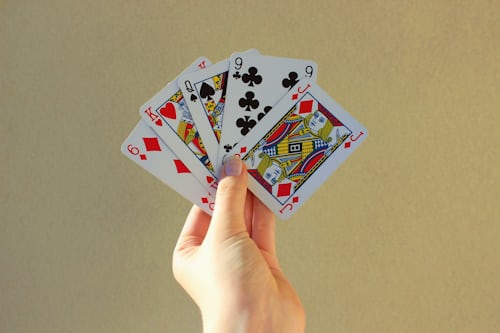
Casinos are often devoid of windows and clocks, contributing to a timeless feel that disorients players. This deliberate design choice means that individuals often lose track of time, which can lead to extended gambling sessions. Without natural light or time cues, players may find themselves immersed in a euphoric state, forgetting about outside responsibilities and even basic self-care. This phenomenon is particularly concerning when it leads to problem gambling or addiction.
The layout of a casino is also intentionally designed to facilitate movement through various gaming areas, from slots to table games. This encourages players to explore and engage with different activities, as well as to be influenced by the behaviors of others. The presence of crowds and the excitement they generate can create a herd mentality, where individuals feel compelled to participate, even if they initially had no intention of gambling. Such design elements play a significant role in shaping player behavior and decision-making processes within the casino environment.
The psychological effects of gambling
The psychological impacts of gambling can be profound, often leading to a range of emotions that influence player behavior. Many individuals experience a rush of excitement and adrenaline when they engage in gambling activities, which can create a cycle of reinforcement. This feeling of euphoria, often referred to as “the gambling high,” can become addictive. Players may chase this feeling repeatedly, even when they face losses, leading to risky behaviors and poor decision-making.
Additionally, gambling can evoke feelings of hope and anticipation, as players often believe that a big win is just around the corner. This belief can lead to what psychologists describe as “loss chasing,” where players continue to gamble in an attempt to recover losses. This behavior can have devastating effects on their financial health, as the likelihood of winning diminishes with each bet. Understanding these psychological triggers is essential for recognizing the potential for harm associated with gambling.
Moreover, the social aspect of gambling can further complicate the psychological effects. Many people gamble in groups, drawn in by the camaraderie and shared experience. This social interaction can amplify the excitement but may also lead to peer pressure, where individuals feel compelled to gamble beyond their means. The combination of individual psychological factors and social influences creates a complex web of behaviors that can be difficult to navigate, especially for vulnerable individuals.
The role of reinforcement in casino environments
Reinforcement is a core concept in behavioral psychology that explains how certain actions can be encouraged or discouraged through consequences. In the casino context, both positive and negative reinforcements play a significant role in shaping player behavior. For example, winning a small prize can serve as a powerful motivator for continued play, reinforcing the idea that persistence can lead to significant rewards. This dynamic creates a “gambling loop,” where players become trapped in a cycle of betting in hopes of repeating their successes.
Moreover, casinos often employ strategies such as “near misses,” where players come close to winning but ultimately lose. Research shows that near misses can evoke strong emotional responses, prompting players to continue gambling in search of that elusive win. This phenomenon exploits cognitive biases that lead players to believe they are on the verge of success, further reinforcing their gambling behavior. The emotional highs and lows associated with these experiences make it challenging for players to recognize when to stop.
It is also important to consider how the social reinforcement from other players impacts behavior in a casino. Observing others win can spark feelings of envy or excitement, motivating individuals to engage in more gambling themselves. Social interactions, including conversations about winning strategies, can further reinforce the belief that gambling can be profitable. Thus, the environment of a casino not only influences individual psychology but also amplifies social factors that contribute to gambling behaviors.
Understanding risk-taking behavior
Risk-taking is a common feature of gambling that is intricately linked to the psychological environment of casinos. Individuals who enter a casino often carry an innate desire for thrill and excitement, which can lead them to engage in increasingly risky behaviors. The high-stakes atmosphere, coupled with the potential for large payoffs, encourages players to take gambles they might avoid in other contexts. This propensity for risk can be further exacerbated by the intoxicating environment of the casino.
Moreover, personal factors such as age, gender, and socioeconomic status can also influence an individual’s willingness to take risks in a gambling setting. Research indicates that younger individuals, for instance, may be more inclined to engage in riskier bets, perhaps due to a greater sense of invulnerability. Conversely, older individuals may display more caution, yet they can still be swayed by the allure of winning big. The interplay of these personal characteristics with the casino environment significantly shapes how individuals approach risk in gambling.
Understanding the motivations behind risk-taking behavior can offer valuable insights into problem gambling. When individuals perceive that the rewards outweigh the potential for loss, they may dismiss the risks entirely. This cognitive distortion can lead to significant financial and emotional consequences, making it essential for casinos to promote responsible gambling practices. Awareness and education about the psychological impacts of risk-taking can help mitigate the adverse effects associated with excessive gambling.
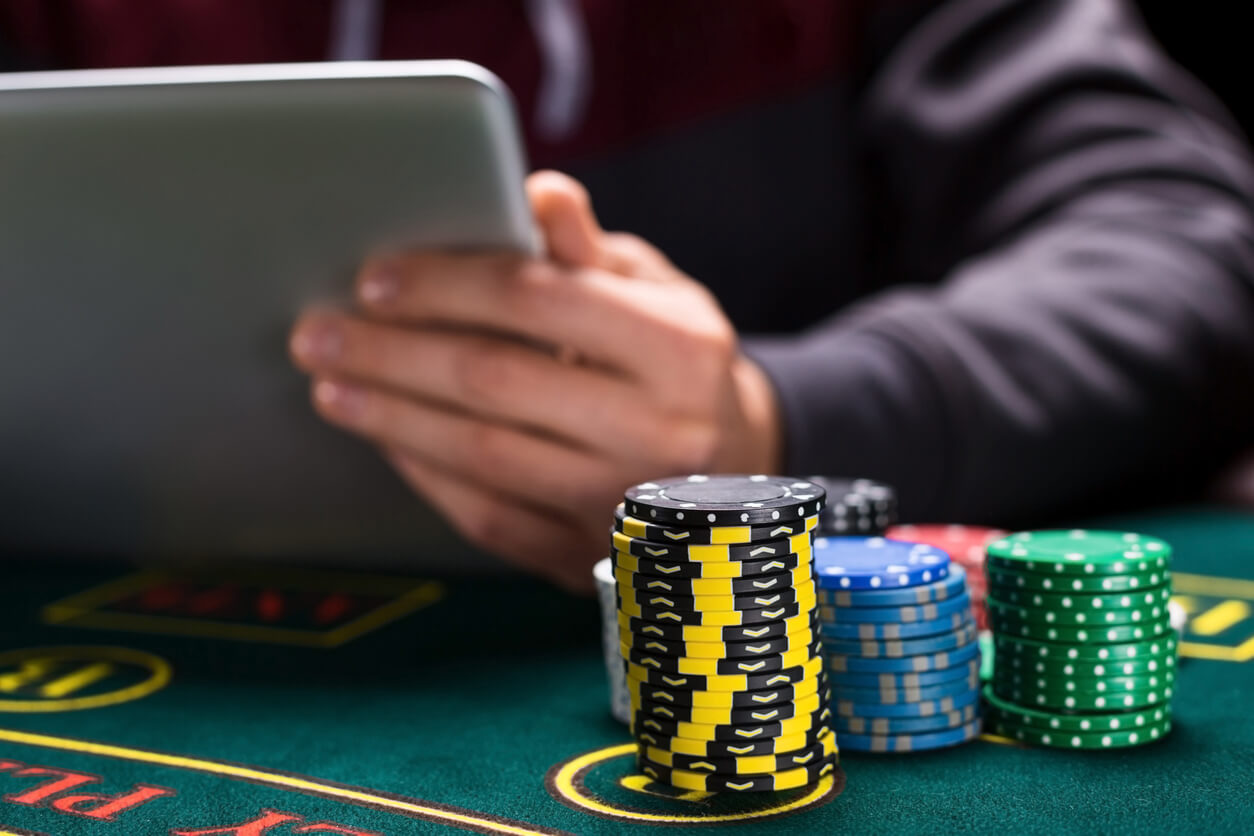
Exploring responsible gambling with Slots Hopper
As the understanding of the psychological impacts of casino environments on players’ behavior continues to grow, platforms like Slots Hopper are taking significant strides towards promoting responsible gambling. By offering a diverse range of games, including slots and live tables, Slots Hopper creates an engaging yet safe environment for players. The platform’s user-friendly design and robust security measures ensure that individuals can enjoy gaming experiences without compromising their well-being.
Slots Hopper also actively encourages players to set personal limits and take breaks to avoid excessive gambling. With features that allow users to track their gameplay and spending, the platform aims to promote self-awareness and responsible gaming habits. Such initiatives are crucial in helping players recognize the signs of problematic behavior before it escalates into more serious issues.
Ultimately, understanding the psychological impacts of casino environments is essential for fostering a healthier gambling culture. By raising awareness and promoting responsible practices, platforms like Slots Hopper contribute positively to the gaming industry. Players can explore their favorite games while benefiting from a supportive and informative environment that prioritizes their well-being and safety.
